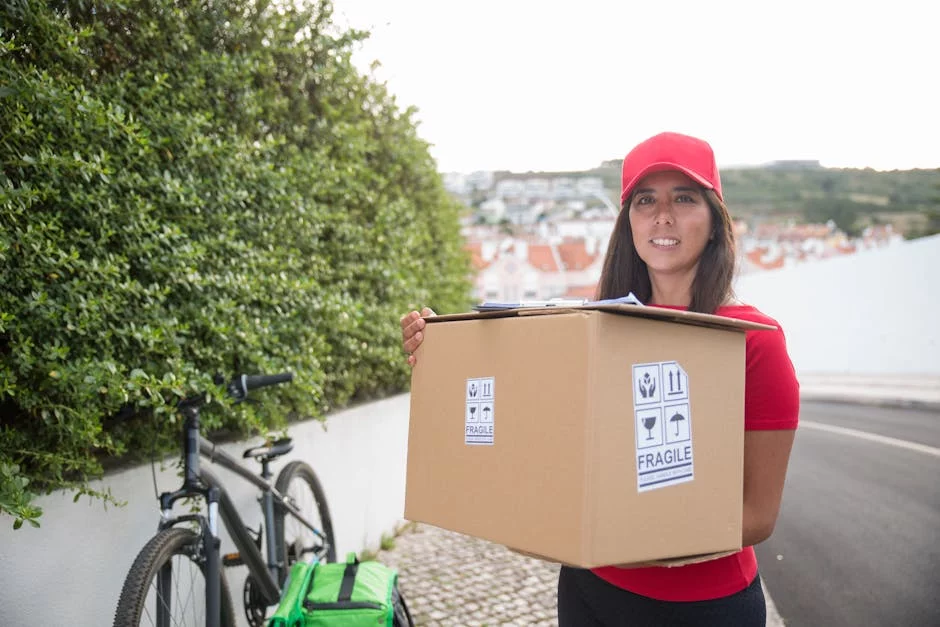
A lower listed price doesn't always mean a lower final cost. Here's how to account for shipping and fulfillment when comparing products across retailers.
Shipping costs are one of the most reliable ways that seemingly good deals fall apart under scrutiny. A product listed at a lower price than a competitor can easily end up costing more once shipping is added — and not by a small margin.
The gap is often larger than it looks
If Retailer A lists a product at $45 with $8 shipping and Retailer B lists it at $49 with free shipping, the apparent $4 saving on Retailer A is actually a $4 deficit when you factor in fulfillment. This kind of reversal is more common than most people expect.
Thresholds are designed to change your behavior. Free shipping above a minimum order value is a deliberate strategy — it encourages buyers to add items to reach the threshold. Adding an item you didn't plan to buy in order to save $6 in shipping isn't saving money.
Membership-based shipping changes the calculation. Services that offer free shipping for members make shipping costs effectively zero for members. If you have an active membership with a retailer, factor that in when comparing against retailers where you'd pay for shipping.
Delivery speed affects real cost. A cheaper option that ships in 7 days costs you differently than a slightly more expensive option that arrives tomorrow. If you need the item soon, the value of faster delivery should be factored in explicitly.
Local pickup eliminates shipping entirely. If a retailer near you has the item in stock for same-day pickup, the shipping cost is zero. When you compare total cost, pickup from a local retailer often beats the lowest online price once shipping is factored in.
Alvasya surfaces product availability across purchase methods — including local pickup, same-day delivery, and standard online ordering — so you can compare the real total cost, not just the listed price.